
Live Casino How It Works: Trust, Control And The Real Deal
I’ve spent over two decades inside game development, from NextGen cabinets to NYX and IGT titles, so I know what separates a polished product from a hollow shell. When people ask me about live casino how it works, they’re usually expecting a roulette wheel and a dealer in a shirt. That’s only half the picture. The real engineering sits in the compliance layer, the stream integrity, and the account controls that keep a session honest. In Australia, where the rules around interactive gambling are tight and geo-boundaries matter, understanding that machinery is more useful than chasing a bonus headline. This isn’t a pitch for the loudest lobby on the floor – it’s a look at the safeguards, the support structures, and the practical fit for a local player who wants transparency over theatrics.
The Infrastructure Behind The Table
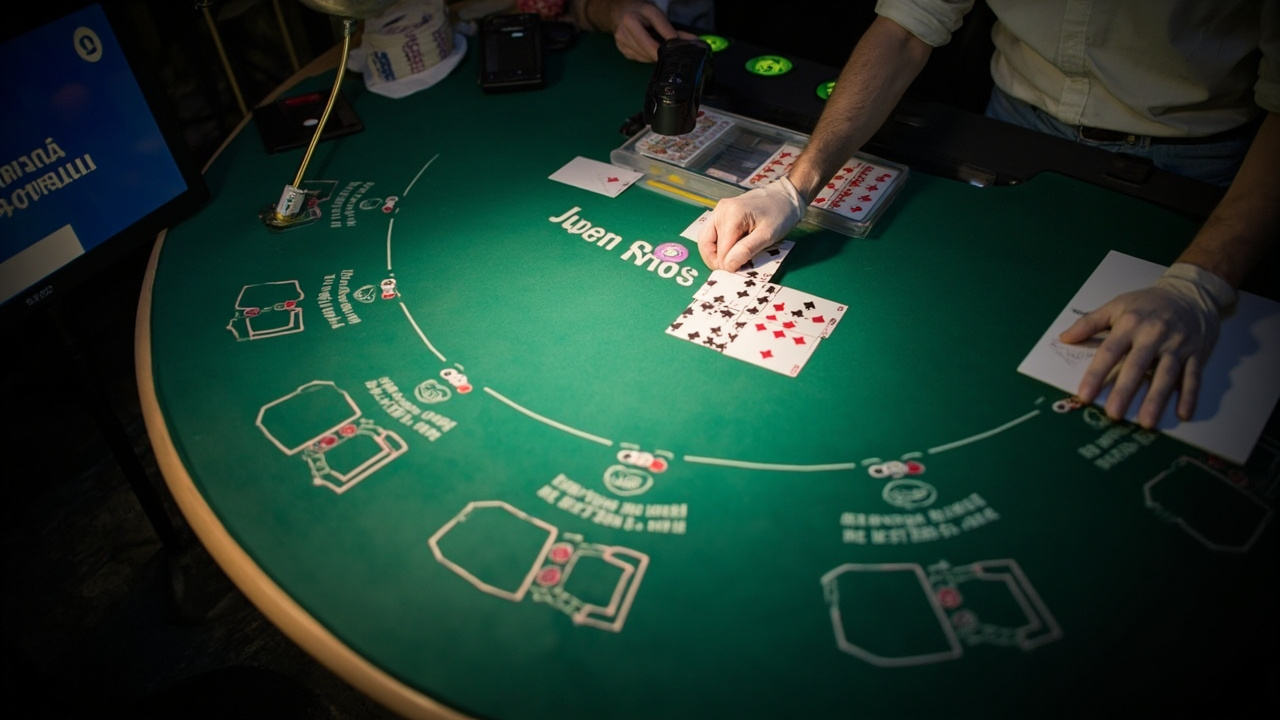
A live studio isn’t a glorified webcam setup. Every table runs on dedicated fibre, redundant encoders, and a production crew that mirrors what you’d see in a broadcast environment. The dealer’s actions are captured by multiple angles, the shoe or wheel is tracked by optical sensors, and the round result is pushed through a certified random-verification layer before it lands in your client. I’ve reviewed enough backend flows to know that when a provider cuts corners on latency or handshake logic, players feel it as lag, disputed rounds, or frozen bets. A properly built live table treats the stream as a regulated signal, not a video feed.
For an Australian player, the first thing worth checking is how the operator handles jurisdiction and identity. The platform should make it obvious which licence covers the service, where the games are certified, and how the geo-check happens before a seat is even offered. I’ve seen too many products that blur those lines, leaving players unsure whether they’re sitting at a locally compliant table or something routed elsewhere. If you want to test the feel of a live environment without committing funds, you can spin up a risk-free preview at wanted-dead-or-a-wild-demo-au.com and see how the interface, stream quality, and bet timing behave before you decide whether the table suits your rhythm.
The table below captures the kind of specifics worth verifying before you register, because the numbers and limits are what separate a clear offer from a vague one.

| Detail | What to look for |
|---|---|
| Licence and jurisdiction | Clear operator licence, stated jurisdiction, and a visible geo-check before seating |
| Game providers and tables | Named studios and dealers, published table limits, and certified game logic |
| Currency and payments | AUD handling where available, stated deposit and withdrawal windows, and no hidden conversion surprises |
| Registration and verification | Simple sign-up, clear KYC steps, and no pressure to bypass identity checks |
| Mobile and stream | Stable play on phone and tablet, readable bet timers, and no broken layout on smaller screens |
| Support and responsible tools | Reachable help, deposit limits, time-outs, and a clear path to self-exclusion if needed |
How A Live Round Actually Runs
The round starts before the cards turn or the ball drops. You join a seat, the interface shows the current bet window, and the dealer acknowledges the table state. What matters most is the timing architecture: the bet timer, the lock point, the result broadcast, and the way the client reconciles your stake with the outcome. I’ve worked on titles where the bet timer was the single biggest source of player friction, so I pay attention to whether a live table gives you a fair window without racing the stream. A well-built table publishes the round sequence clearly, so you know when betting closes and when the result is final.
The stream itself has to hold up under real conditions. Studios use redundant uplinks, local buffering, and fallbacks for momentary dropouts, because a brief hiccup shouldn’t mean a lost round or a disputed payout. From a reviewer’s standpoint, I look for a table that keeps the dealer visible, the game props legible, and the bet controls responsive even when the connection isn’t perfect. That’s where a lot of products reveal their maturity. The flashy lobby matters less than whether the table can run a clean session when the network is ordinary rather than ideal.
Trust and support are where the live experience either earns its keep or falls apart. Licensing should be easy to locate, not buried behind a footer maze. Security goes beyond a padlock icon – it includes how the operator handles session data, how verification is staged, and whether the support team can actually explain a round outcome when a player asks. Leo McKenzie, iGaming Regulatory Consultant, Outback Gaming Research, has pointed out that players often over-index on bonus terms and under-index on the operator’s compliance posture, which is the wrong priority when the product involves real-time play and real money. I’d put it more bluntly: if you can’t tell who’s responsible for the table, the stream quality doesn’t matter much.
The responsible-play layer should be present before you need it, not hidden until something goes sideways. Deposit limits, session reminders, time-outs, and self-exclusion options are the practical tools that make live play sustainable, especially for someone using play as a regular leisure activity rather than a one-off novelty. James Fraser, Head of Analytics, Banksia Betting Partners, has noted that session-length data often tells a clearer story than bonus uptake, because it shows whether a product is designed for controlled play or constant re-entry. That’s the kind of judgement call I make as a designer too: a table that constantly pulls you back in is not necessarily a better table.
Who This Format Suits Best
Live casino how it works is a decent fit for players who care more about pace, transparency, and human interaction than about spinning a solitary reel in the background. If you like seeing the action unfold, reading the table state, and making a timed decision with a clear result, the format has a natural appeal. It also suits players who want a stronger sense of where their money is going, because the round structure and dealer presence make the session feel more legible than a hidden RNG loop.
It’s less ideal for someone chasing rapid, low-thought action or someone who treats every session like a short-term grind. Live tables run on real-time pacing, and that means the experience has a rhythm you either match or you don’t. I’ve always reckoned that the right format is the one that fits your attention, not the one with the loudest marketing. If you’re playing from the Illawarra or down near Wollongong on a slow arvo and want a table you can settle into without feeling hurried, live casino can work well – provided the operator’s controls, support, and limits are actually visible.
Keeping The Session Honest
The most useful question isn’t which table looks the busiest. It’s whether the operator makes the rules, the limits, and the support plain enough that you can play with your eyes open. A live table should feel like a controlled environment with real people, real timing, and real accountability behind it. When the licence is clear, the stream is stable, the bet logic is fair, and the responsible-play tools are easy to find, the format earns its place as a legitimate way to spend an evening. If any of those pieces are vague, the polish on the lobby won’t save it.
Play within what you can afford, use the limits available, and treat the live table as entertainment with structure rather than a shortcut to anything else. That’s the approach I’d give anyone asking how this all fits together.